Residence Permit and Permanent Residence: 5 Key Differences

Table of contents

- What is a Residence Permit (Temporary Residence)
- What is Permanent Residence?
- Residence Permit and Permanent Residence – 5 Key Differences
- How to Get Permanent Residence – Step by Step
- Residence Permit, Permanent Residence, and Citizenship – What's the Difference
- Conclusion
Share
Share
Yesim virtual SIM card for travelers
Get a 10% discount for your first purchase with the code
Moving to another country almost always starts the same way – trying to figure out documents and statuses. People hear about residence permits and permanent residence, read forums and advice from friends, but end up confused. Some think they're almost the same thing, others believe permanent residence automatically means citizenship. In practice, everything is more complicated, and this is where mistakes are most often made.
Many don't fully understand what a residence permit gives in real life. This status determines work, the ability to open a bank account, access to healthcare, education, housing rental, and future plans. In this article, we'll explain in simple terms how residence permits and permanent residence differ, what rights appear at each stage, and which countries offer a faster and smoother path to permanent status.
What is a Residence Permit (Temporary Residence)
Simply put, a residence permit is an official status that allows a foreigner to legally live in another country for a limited period – most often from one to three years. Essentially, a residence permit is an intermediate stage between a visa and permanent status. Official documents often use the foreign term – residence permit, so many people wonder what a residence permit is and how it differs from the familiar temporary residence. In practice, they're the same thing.
Some get confused with terminology, so it's worth clarifying formally: residence permit stands for "temporary residence permit." This status doesn't make a person a citizen of the country, but gives the right to legally reside, rent housing, use basic social services, and in some cases work.
Who Can Get a Residence Permit?
Residence permits are issued for various purposes. Most often they're obtained by:
- students enrolled in foreign universities,
- foreign workers on contract,
- investors and entrepreneurs,
- family members of citizens or residents of the country.
The basis determines both the validity period and the set of rights. For example, a student residence permit is usually strictly tied to the study period, while a work permit is tied to the contract.
Renewal and Possible Rejections
Temporary status needs to be renewed. This usually requires confirming:
- stable income,
- current housing,
- medical insurance,
- absence of immigration violations.
Renewal can be denied due to expired documents, job loss, fictitious residence address, or law violations.
What is Permanent Residence?
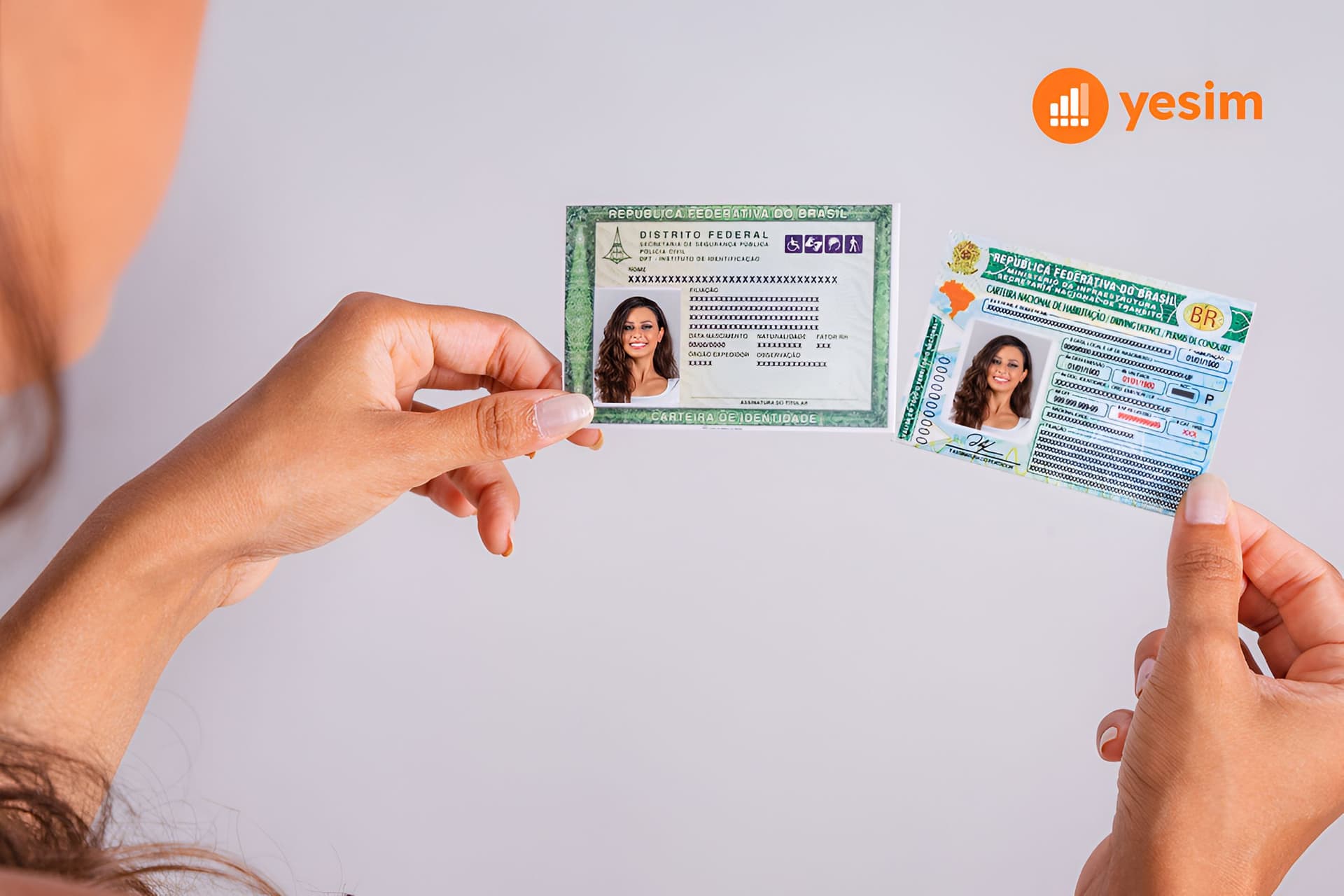
Simply put, permanent residence is a status that allows a person to live in another country permanently without needing to renew documents every one to two years. To explain even more simply, permanent residence is the next stage after temporary residence, when a person has already proven their connection to the country and can count on long-term residence. Essentially, this is permanent residence status, which provides more confidence in the future.
For many, it's important to understand what permanent residence abroad means not in theory, but in real life. This status gives the right to permanently live in the country, work freely without additional permits, open a business, get loans, obtain insurance, and use most social services. At the same time, permanent residence holders have obligations: comply with the country's laws, pay taxes, confirm actual residence, and not violate immigration rules.

How Does Permanent Residence Differ from Citizenship?
It's important to set the record straight immediately: permanent residence is not citizenship. Despite broad rights, the permanent status holder remains a foreigner. They cannot participate in elections, hold certain government positions, or receive diplomatic protection like a citizen. This is the key difference between stable residence and full citizenship.
In Which Countries Can You Get Permanent Residence After 5 Years of Living?
In many countries, the path to permanent status is fairly standard. Most often, permanent residence can be obtained after five years of legal residence with a temporary permit. This scheme works, for example, in Portugal, Spain, Germany, Czech Republic, and several other European countries. During this time, a person must confirm income, housing, language knowledge, and absence of legal problems.
Residence Permit and Permanent Residence – 5 Key Differences
In practice, the difference between residence permit and permanent residence is felt in the first months of life abroad. These two statuses solve different tasks and provide different levels of freedom. Below are the key differences that really matter for everyday life.
| Criterion | Residence Permit (temporary residence) | Permanent Residence |
| Validity Period | Issued for a limited period – usually 1–3 years and requires regular renewal | Issued indefinitely or for a long period, without the need for frequent renewals |
| Scope of Rights | Gives basic rights: residence, housing rental, sometimes work – often with restrictions | Provides almost a full set of rights, close to citizenship: free work, business, banking services |
| Need for Renewal | Requires constant confirmation of income, housing, insurance, and compliance with immigration rules | Does not require annual procedures, re-submission of documents, and visits to immigration authorities |
| Connection to Citizenship | Temporary resident status, which rarely gives direct access to citizenship | In many countries, it's a mandatory stage before applying for citizenship |
| Social Benefits | Social rights are limited or partially unavailable | Opens access to public healthcare, mortgages, loans, pension programs |
What Permanent Residence Gives – Main Benefits
For many, this is where it becomes clear what permanent residence status gives and why people spend years going through temporary permits to get it.
Right to Permanent Residence and Work
With permanent residence, a person is no longer tied to visa terms or temporary permits. You can live in the country without time restrictions, freely change employers, open your own business, work without additional permits and quotas.
Visa-Free Entry to Country of Residence
A permanent residence holder has the right to enter the country at any time without obtaining visas. This is especially important for those who travel frequently or live between two countries.
Social Guarantees
Permanent residence opens access to public healthcare, education system, mortgages, loans, and social programs. In real life, this means cheaper treatment, education opportunities for children, and chances to buy your own housing.
Easier to Get Citizenship
In many countries, permanent residence is the final mandatory stage before naturalization. After several years with permanent status, you can apply for a passport of the country of residence.
Protection from Changes in Visa Rules
When a person lives on a visa or residence permit, any changes in immigration laws can threaten their status. Permanent residence provides protection from such risks and makes one's position in the country much more stable.
How to Get Permanent Residence – Step by Step
Obtaining permanent status is not a one-time visit to the immigration service, but a path that takes several years. Details differ in different countries, but the general principle is almost always the same. Below is a clear scheme of how to get permanent residence without legal complications.
Step 1. Get a Residence Permit and Live in the Country for 3–5 Years
First, temporary status is obtained. It's important not just to be in the country, but to live by the rules: renew documents on time, not violate immigration laws, maintain the basis for residence – work, study, business, or family circumstances.
Step 2. Confirm Income, Housing, and Language Knowledge
Before applying for permanent residence, you almost always need to show that a person is financially stable, has official housing, and at least basically speaks the country's language. This is considered proof of real integration, not formal residence.
Step 3. Submit Application to Immigration Authorities
Documents are submitted to the local immigration service. Usually they request confirmation of residence period, income statements, rental or property contract, insurance, language certificate, and criminal record clearance.
Step 4. Receive Permanent Resident Status
After approval, the applicant receives a resident card or official Permanent Resident status. From this moment, dependence on visa terms disappears, and life in the country becomes legally stable.
Ultimately, permanent residence is not a quick process, but the most reliable way to establish yourself in another country without constant fear of losing legal status.
Residence Permit, Permanent Residence, and Citizenship – What's the Difference
Many mistakenly believe that permanent residence is citizenship, but in practice these are different legal statuses. That's why it's so important to understand the difference between permanent residence and citizenship, as well as how temporary status differs from permanent. Below is a clear comparison of all three options.
| Status | Validity Period | Rights | Ability to Work | Civil Rights |
| Residence Permit | 1–3 years | Limited | Yes, but not always | No |
| Permanent Residence | Indefinitely | Almost like citizens | Yes | Partially |
| Citizenship | Permanently | Full | Yes | Yes |
In practice, the difference is very clear. A residence permit is suitable for starting and adapting, permanent residence – for stable life and long-term plans, and citizenship – for those who have decided to tie their future to the country permanently.
Where is it Easiest to Get Permanent Residence?
Conditions for obtaining permanent residence differ greatly from country to country. Somewhere the decisive factor is the period of residence, somewhere – work, investments, or property purchase. Below are several popular destinations where the path to permanent status is considered relatively clear and predictable.
- Portugal: Permanent residence here can be obtained after 5 years of legal residence with a residence permit. You need to confirm income, housing, basic language knowledge, and absence of serious violations. The country is popular among freelancers, IT specialists, and digital nomads.
- Spain: After 5 years of continuous residence with a Spanish residence permit, you can apply for permanent residence. It's important not to leave the country for long periods, have stable income, and an official address. Spain is often chosen by families and retirees.
- Canada: Here, the path to permanent residence most often goes through government programs such as Express Entry or work visas. The country actively accepts specialists, and when requirements are met, permanent resident status can be obtained relatively quickly, as easily as mobile internet in Canada.
- Germany: For qualified specialists, the Blue Card system works. In the standard version, permanent residence is available after 33 months of legal work, and with good language knowledge – even faster. Permanent residence and German residence permit are suitable for those focused on a stable career in Europe.
- Turkey: One of the simplest options in terms of documents is obtaining permanent residence through property purchase. In this case, permanent residence or Turkish residence permit can be obtained without years of waiting, making the country attractive for investors and those planning to live by the sea.
Each of these countries offers different conditions, but the general principle is the same: the more stable the income, the more legal the status, and the stronger the ties to the country, the faster the path to permanent residence.
Tips for Those Who Want to Relocate
Relocation is not just tickets and suitcases. Mistakes at the start can cost time, money, and even legal status. So it's better to understand the basics in advance and not act blindly. First, it's important to realize: a residence permit is not just a formal document, but the foundation of your legal life in another country.
- Start with a temporary residence permit. For most people, the safest path is study, official work, or remote formats like Digital Nomad. Such a start allows you to adapt to the country without rigid obligations and understand if it's suitable for life in the long term.
- Check tax status in advance. After relocation, tax obligations may change. It's important to find out in advance where and on what income you'll pay taxes, so you don't face debts and fines later.
- Study renewal conditions and path to citizenship. Even at the residence permit stage, it's worth understanding whether the status can be renewed, how many years until permanent residence, and whether there's a real opportunity to obtain citizenship in the future. This helps build long-term plans without illusions.
- Use eSIM for communication abroad. In the first days after relocation, communication is especially important: banks, landlords, work, documents. eSIM allows you to stay connected immediately after arrival, without trips to mobile phone shops and unnecessary bureaucracy.
Proper preparation reduces stress and gives control over the situation. The better you understand the rules of the game, the smoother the adaptation in the new country goes.
Conclusion
Residence permit and permanent residence are two different stages of legalizing life abroad, and each has its own role. A residence permit is suitable for starting: it gives the opportunity to live in the country, adapt, work or study. But at the same time, it remains a temporary solution, dependent on terms, renewals, and rules.
Permanent residence, in turn, provides stability and confidence in the future. With this status, it's easier to plan life, change jobs, take loans, use the social system, and not fear sudden changes in immigration conditions. That's why what permanent residence gives in permanent format is valued much higher than temporary permits.
For most countries, permanent residence is a logical and mandatory step on the path to citizenship and full integration into society. Understanding the difference between statuses helps avoid mistakes and choose the path that truly fits your goals and lifestyle.
Share
Share
FAQ
Can you work with a residence permit or is an additional permit needed?
It depends on the type of residence permit and country. In most cases, a work residence permit gives the right to work for a specific employer, while a student residence permit often limits the number of working hours (for example, up to 20 hours per week). For self-employment or changing employers, a separate permit may be required. With permanent residence there are no such restrictions – you can freely work in any company or open your own business.
What happens if you overstay your residence permit or violate stay conditions?
Overstaying a residence permit can lead to fines, entry bans to the country for several years, and even deportation. When violating conditions (for example, long absence from the country, fictitious address, or job loss), the immigration service may refuse to renew status. It's important to submit renewal documents on time and comply with all legal requirements.
How long can you be abroad with a residence permit and permanent residence?
With a residence permit, you usually cannot leave the country for more than 6 months a year, otherwise the status may be revoked. With permanent residence, the rules are softer, but there are still restrictions: in most European countries you cannot be absent for more than 6–12 months consecutively. Long absence may be considered as renunciation of permanent residence.
Do you need to renounce citizenship of your country when obtaining permanent residence?
No, permanent residence does not require renouncing current citizenship. You remain a citizen of your country and simply get the right to permanently live in another state. The question of renunciation may arise only when obtaining citizenship of the new country, and even then not always, some countries allow dual citizenship.
Can you get permanent residence immediately, bypassing the residence permit stage?
In most countries this is impossible – you first need to live several years with a residence permit. However, there are exceptions: programs for investors, purchase of expensive real estate (for example, in Turkey), family reunification, or special professional programs in Canada and Australia. But even in these cases, you usually need to meet strict criteria for income, education, or investments.
Recommended eSIMs

Pay & Fly
Unlimited data. Pay as you go
North America eSIM
3 countries

United States eSIM
from $1.72 / day

Canada eSIM
from $2.36 / day
Mexico eSIM
from $2.16 / day
Dominican Republic eSIM
from $6.80 / day
Jamaica eSIM
from $3.36 / day
Puerto Rico eSIM
from $2.20 / day
Turks & Caicos Islands eSIM
from $7.12 / day
Bermuda eSIM
from $6.60 / GB
Bahamas eSIM
from $6.80 / day
Saint Lucia eSIM
from $6.32 / day