
Best Places to Visit in Japan in 2026

Table of contents

Share
Share
Yesim virtual SIM card for travelers
Get a 10% discount for your first purchase with the code
If this is your first trip to Japan, you've probably spent hours comparing itineraries, reading contradictory advice, and wondering whether two weeks in Japan is even enough. To be honest it isn't, but that's not a reason to panic. It's a reason to choose well.
This guide covers the best places to visit in Japan by trip type, season, and travel style. It also addresses something most Japan travel guides skip entirely: staying connected while you're there, which matters more in Japan than almost anywhere else.
What are the best places to visit in Japan?
We have gathered 15 of the best cities in Japan to visit. See what each of Japan's top destinations actually delivers and what experienced travelers say after visiting.
1. Tokyo
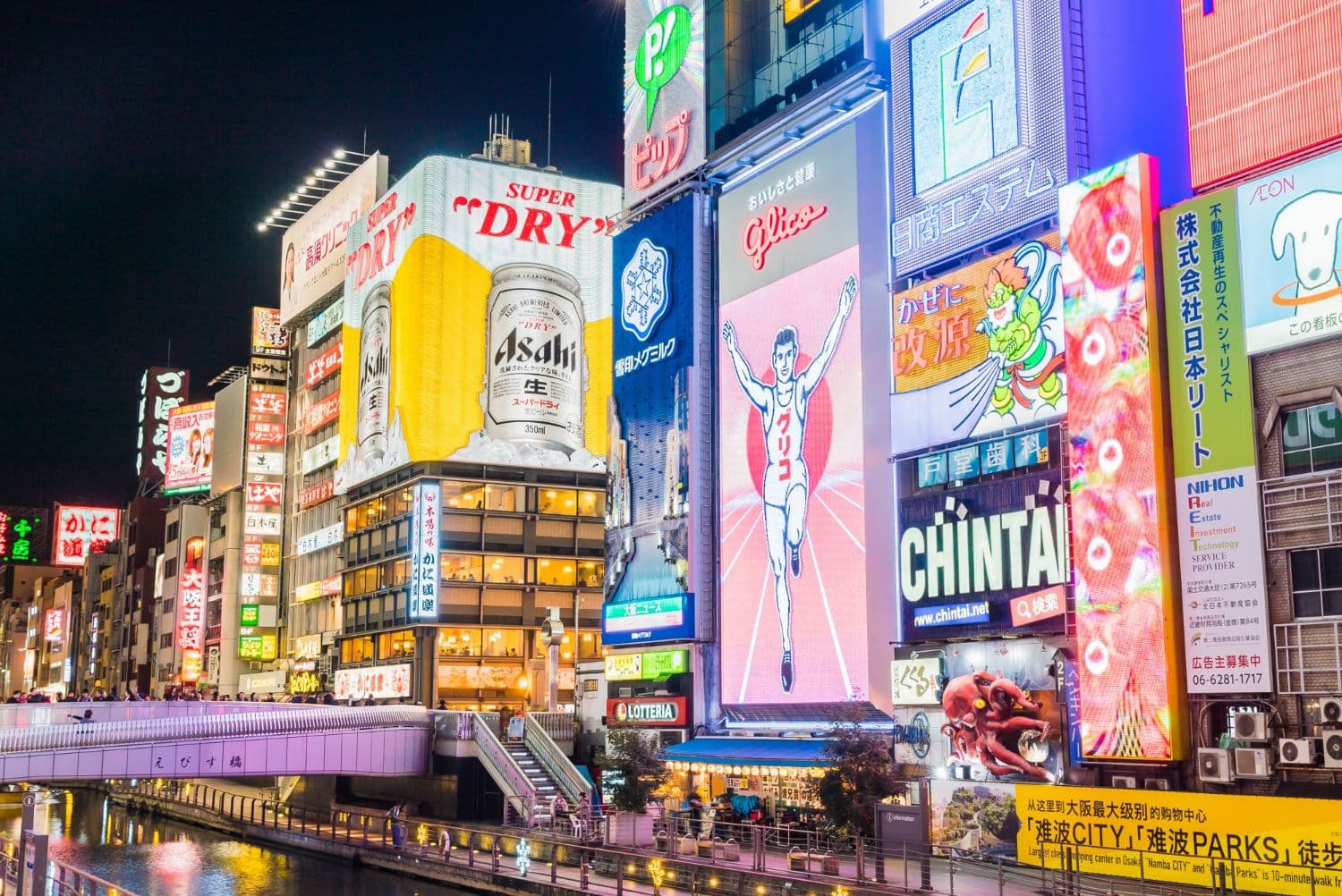
Japan's capital has 37 million people and somehow never feels overwhelming once you find your rhythm. Shinjuku for nightlife and department stores, Shibuya for the crossing and youth culture, Harajuku for fashion and Meiji Shrine, Akihabara for electronics and anime, Yanaka for old-Tokyo streets untouched by development. Most first-timers spend 3–4 days here and leave wishing they'd had a week.
- What travelers say: The food scene alone from ramen alleys to three-Michelin-star omakase justifies the flight. Neighborhoods like Shimokitazawa and Koenji are excellent off-the-beaten-path additions once you've done the main sights.
- Don't miss: Shinjuku Gyoen garden, teamLab Planets, a morning visit to Tsukiji Outer Market.
- Getting there: Main hub. Most international flights land at Narita or Haneda.
2. Kyoto
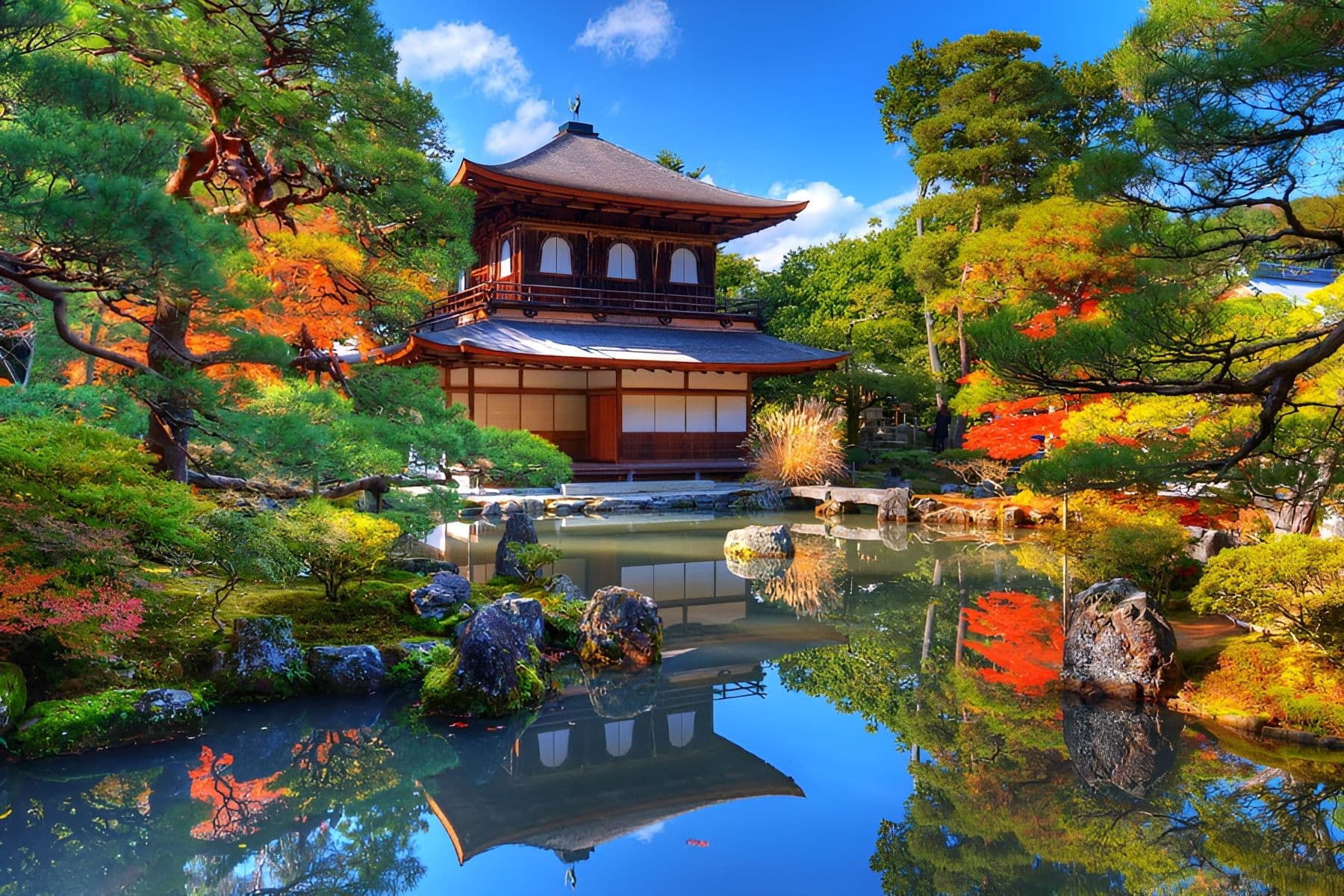
About 1,600 Buddhist temples and 400 Shinto shrines, Kyoto has more designated World Heritage Sites than most countries. It was Japan's imperial capital for over a thousand years, and it shows. The city moves slower than Tokyo. The architecture is older. The food is more restrained and precise.
- What travelers say: Kyoto rewards walking. The Higashiyama district, especially early morning or after dark, gives you a city that feels genuinely preserved rather than performed. Avoid the main temple circuits on weekends during peak season, they're gridlocked.
- Don't miss: Fushimi Inari at dawn, Arashiyama, Nishiki Market, and a kaiseki dinner.
- Getting there: 2h 20min from Tokyo by Shinkansen (JR Pass covers this).
3. Fushimi Inari Shrine
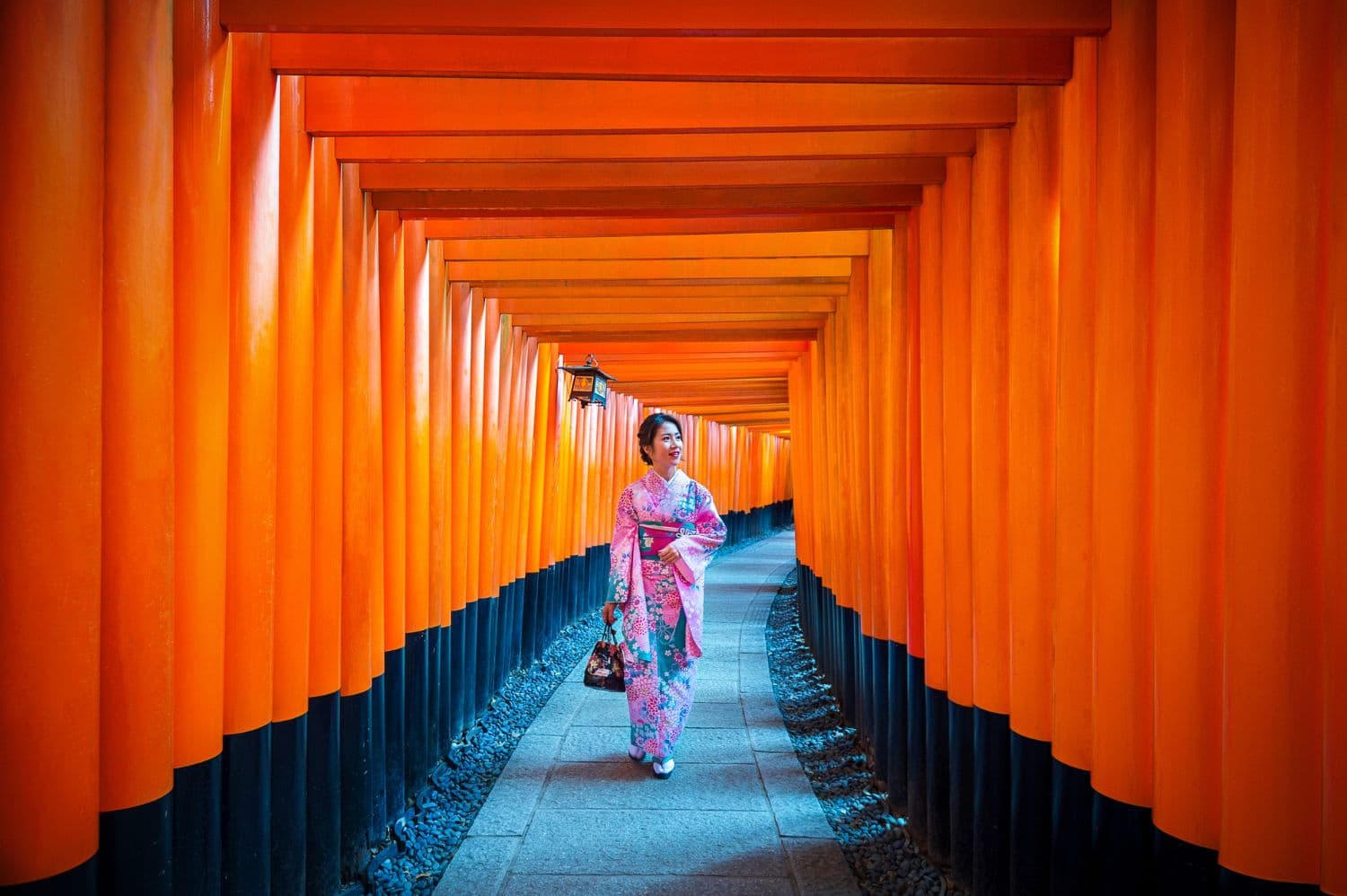
Just south of Kyoto, close to 10,000 red and orange lacquered torii gates line the 2.5-mile path up Mount Inari. The shrine predates Kyoto itself, founded in 711. It's free to enter and open 24 hours.
- What real visitors say: One Tripadvisor reviewer who timed the visit well noted: "the further we walked up the mountain, the quieter it became. Before long, the crowds thinned out and the walk felt peaceful." The consensus is clear go early or go late.
The shrine is accessible 24 hours a day, with peak visiting hours falling between 9am and 5pm. Arrive before 8am or after 5pm and the experience is entirely different from what you see in midday tourist photos.
Practical: 5-minute walk from JR Inari Station (2 stops from Kyoto Station, ¥150). Free entry.
4. Arashiyama
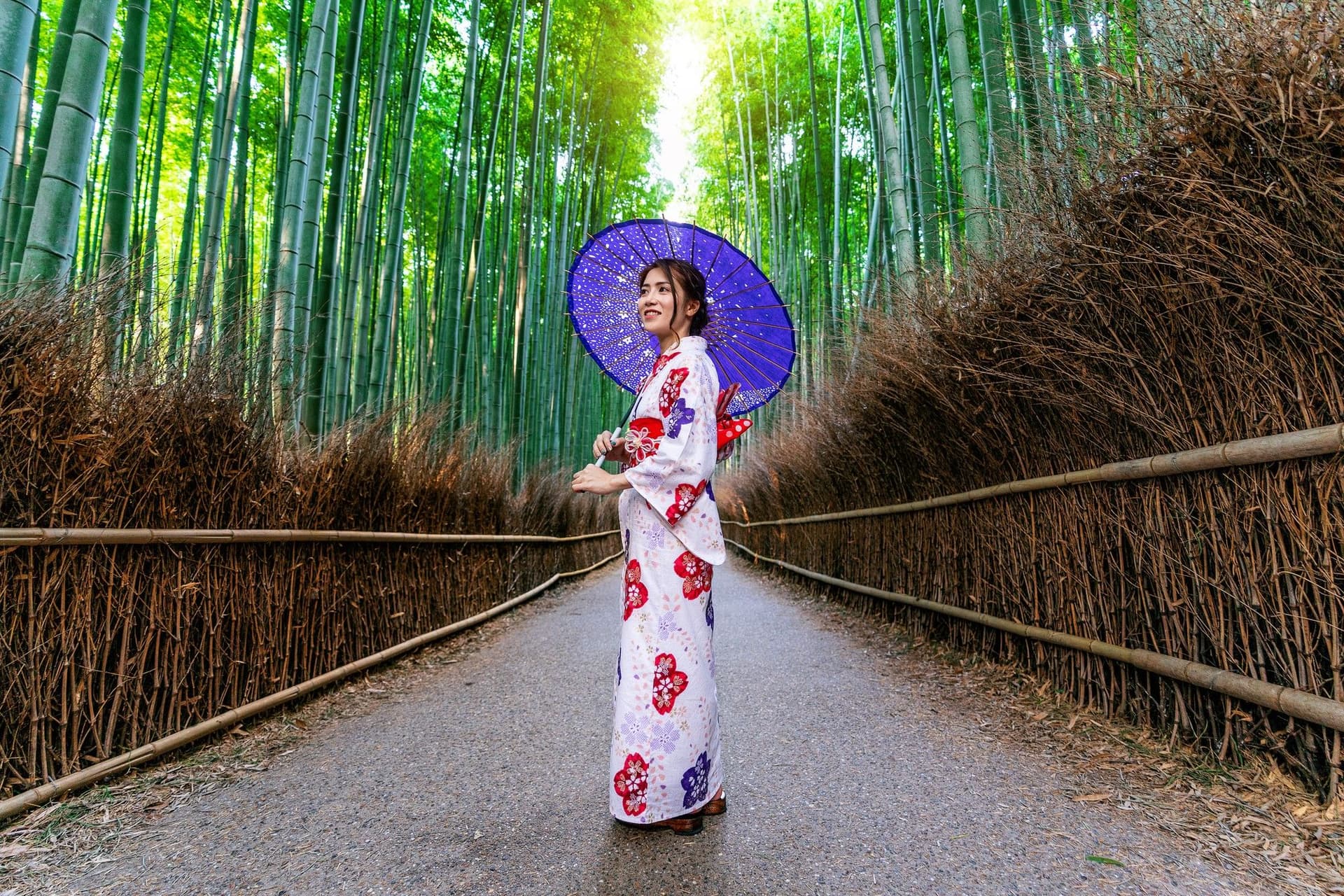
Arashiyama sits on Kyoto's western edge. The bamboo grove is the draw, but the surrounding area, Tenryu-ji Temple (a UNESCO World Heritage Site), the Togetsukyo Bridge over the Oi River, and the quiet backstreets of Sagano, is where many travelers find they actually enjoy themselves most.
- What real visitors say: One honest review on Tripadvisor puts it plainly: "The bamboo forest is beautiful to look at, but smaller than thought." Another experienced traveler who visited twice wrote: "When the morning light filters through the stalks, and the forest stills for a moment, it is simply beautiful."
Practical: 15 minutes from Kyoto Station on the JR Sagano Line. Go before 8am for the grove. Spend the rest of the morning in the wider district.
5. Osaka
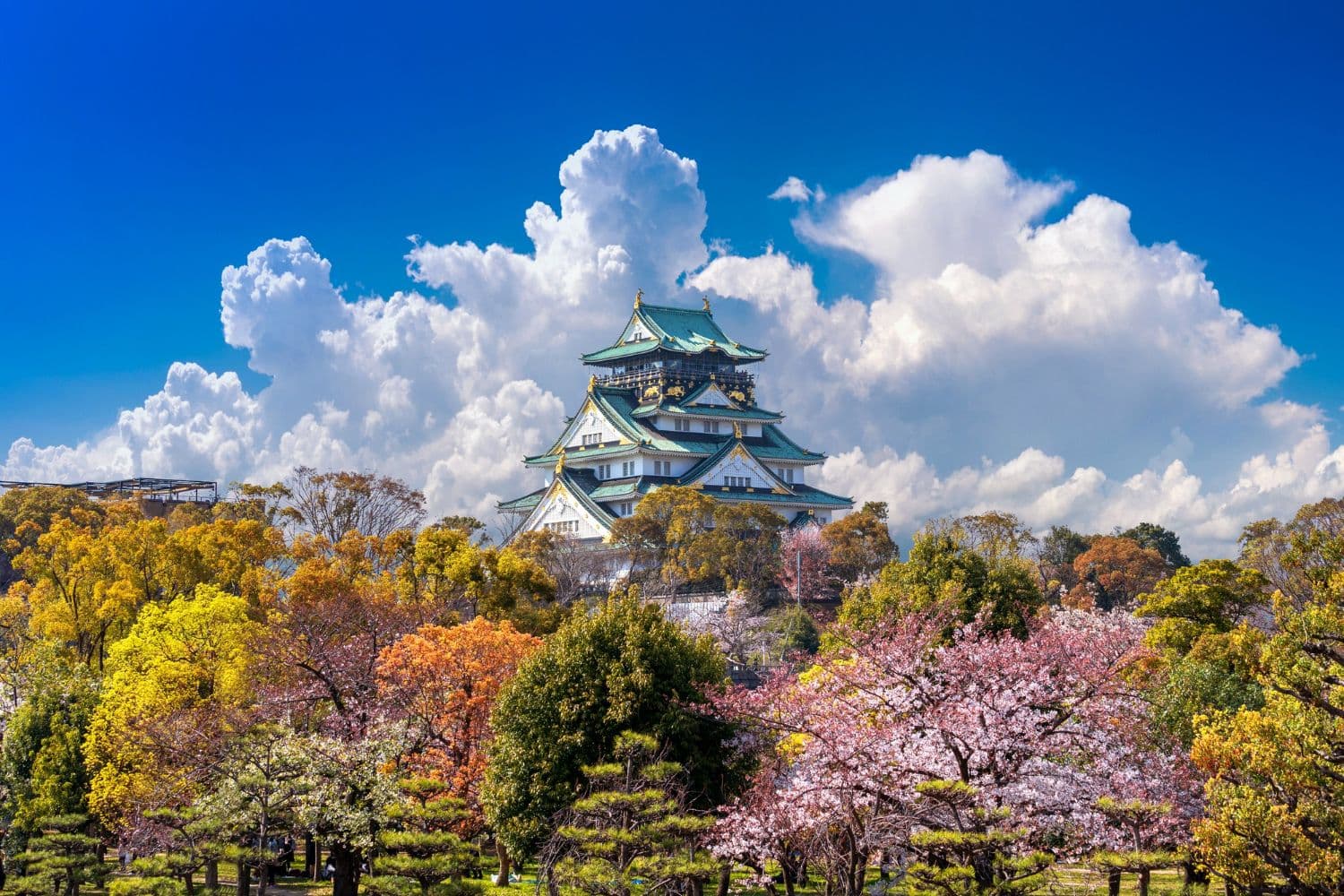
If Kyoto is Japan composed and formal, Osaka is Japan with its jacket off. The Dotonbori canal area is chaotic and fluorescent and excellent. Takoyaki (octopus balls), okonomiyaki, ramen, kushikatsu, Osaka's street food culture is arguably the best in the country. Locals here are noticeably more direct and friendlier to strangers than in Tokyo.
- What travelers say: Budget travelers love Osaka, it's cheaper than Tokyo across the board, from accommodation to meals. Many Japan itineraries use it as a base for day trips to Kyoto, Nara, and Hiroshima, which makes sense given its central location.
- Don't miss: Dotonbori at night, Kuromon Ichiba Market, Osaka Castle, the bar district of Shinsekai.
- Getting there: 15 minutes from Kyoto by Shinkansen; 2.5 hours from Tokyo.
6. Hiroshima
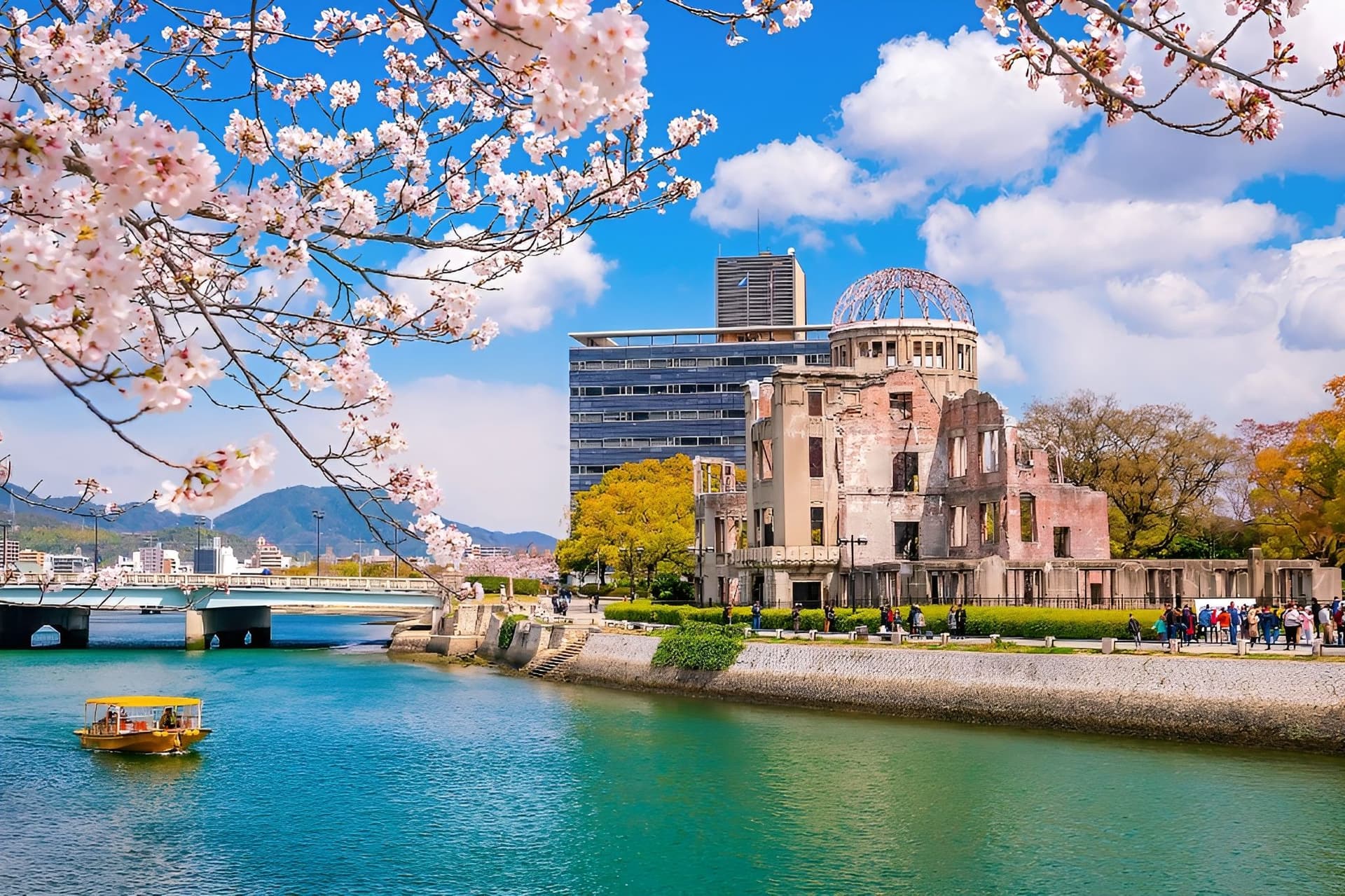
Hiroshima was rebuilt almost entirely from scratch after August 1945. The result is a modern, functional city that has made the preservation of its most destroyed landmark, the Atomic Bomb Dome, its central identity. The Peace Memorial Museum is sobering in a way that very few museums anywhere manage. Allow at least two hours and don't rush it.
- What travelers say: Most visitors describe Hiroshima as one of the most affecting stops on any Japan trip, and one of the most undervisited relative to its importance. The city itself is pleasant, the food (especially Hiroshima-style okonomiyaki) is excellent, and it's less crowded than Kyoto or Tokyo.
- Don't miss: Peace Memorial Park, the Atomic Bomb Dome, Hiroshima-style okonomiyaki.
- Getting there: 4 hours from Tokyo by Shinkansen; 1.5 hours from Osaka.
7. Miyajima Island
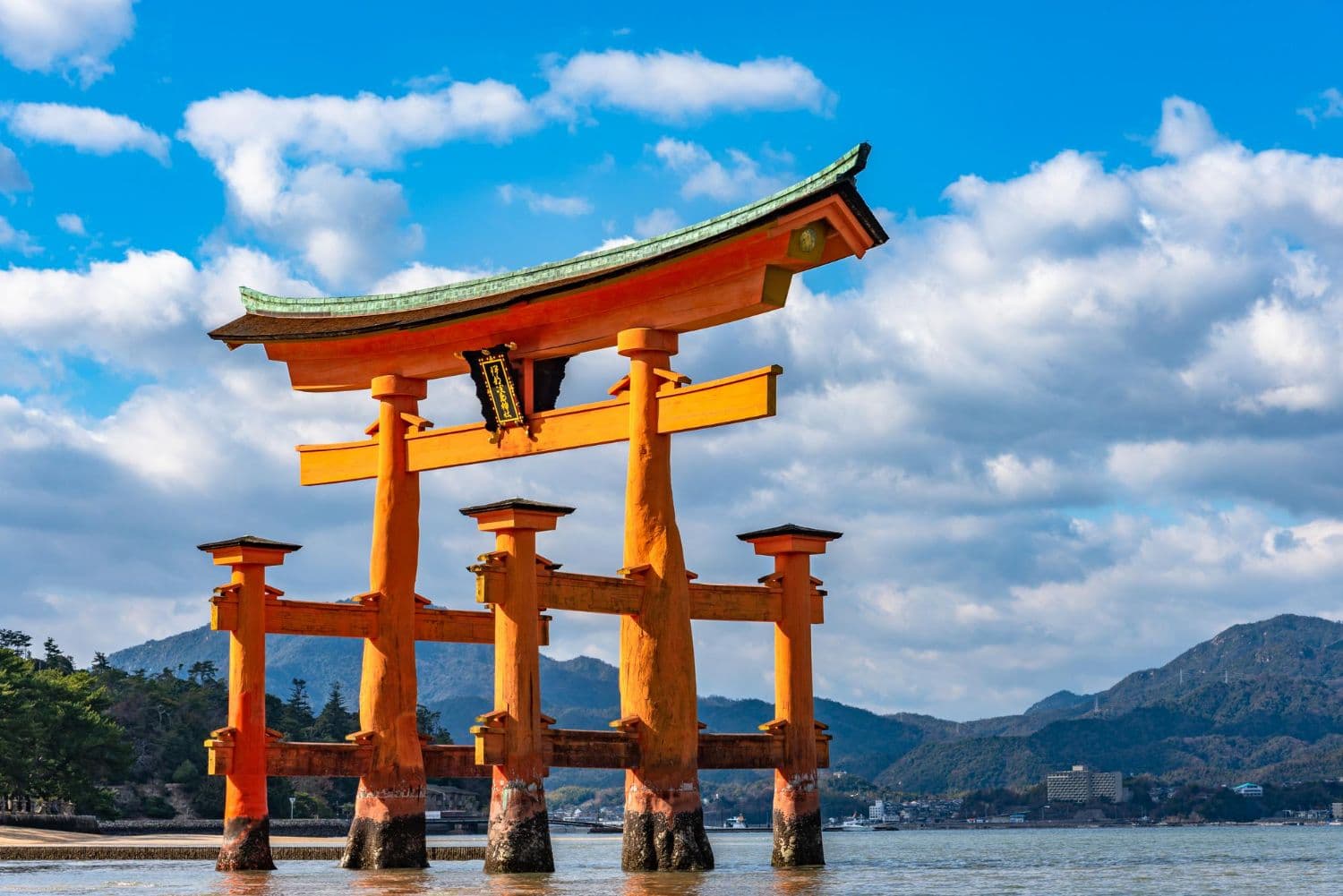
A 10-minute ferry ride from Hiroshima brings you to one of Japan's three officially designated scenic views. The Itsukushima Shrine and its giant O-torii gate, which appear to float at high tide, sit in the Seto Inland Sea. The gate stands 16 meters tall and weighs 60 tonnes, making it the largest wooden torii in Japan.
What visitors say: One Tripadvisor reviewer described the experience at high tide: "As the tide came in the tori appeared to 'float' and its reflection on the still water was magical." Another suggested staying overnight: "I find Miyajima more enjoyable in the evening and early morning with smaller crowds."
8. Nara
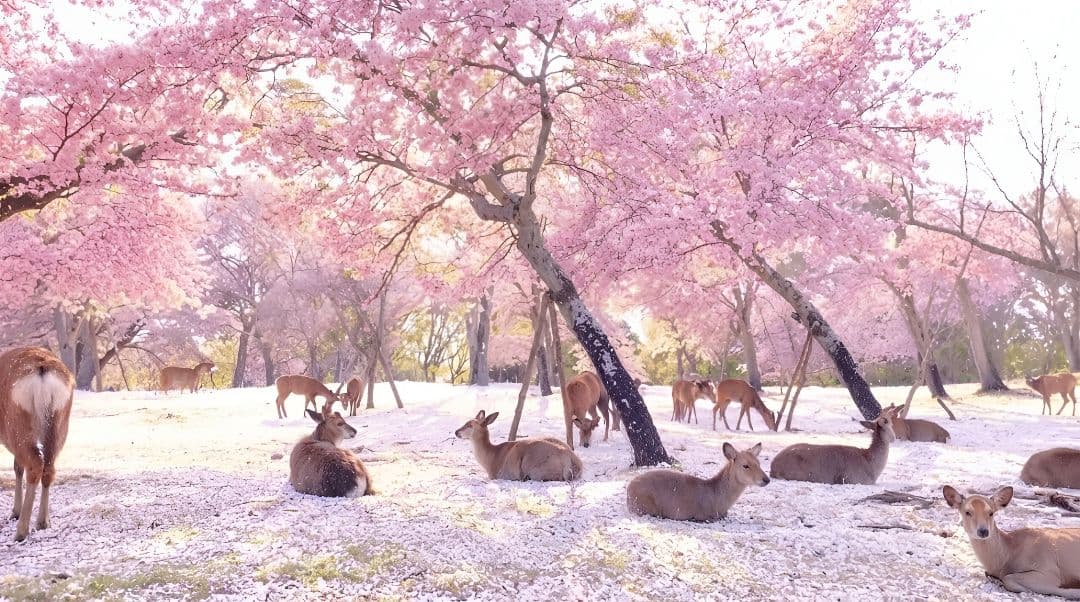
Nara is best known for the 1,200 semi-wild deer that roam freely through the park and around Todai-ji Temple, which houses Japan's largest bronze Buddha. The deer will approach you for crackers sold at park stalls, mildly chaotic, genuinely fun.
- What travelers say: Nara is extremely easy to visit as a day trip from both Kyoto (45 minutes) and Osaka (30 minutes). Most visitors spend 3–4 hours. The deer make it memorable for adults and absolutely unforgettable for children.
- Don't miss: Todai-ji Temple, Kasuga Grand Shrine, the deer park itself.
- Getting there: JR or Kintetsu line from Kyoto or Osaka.
9. Nikko
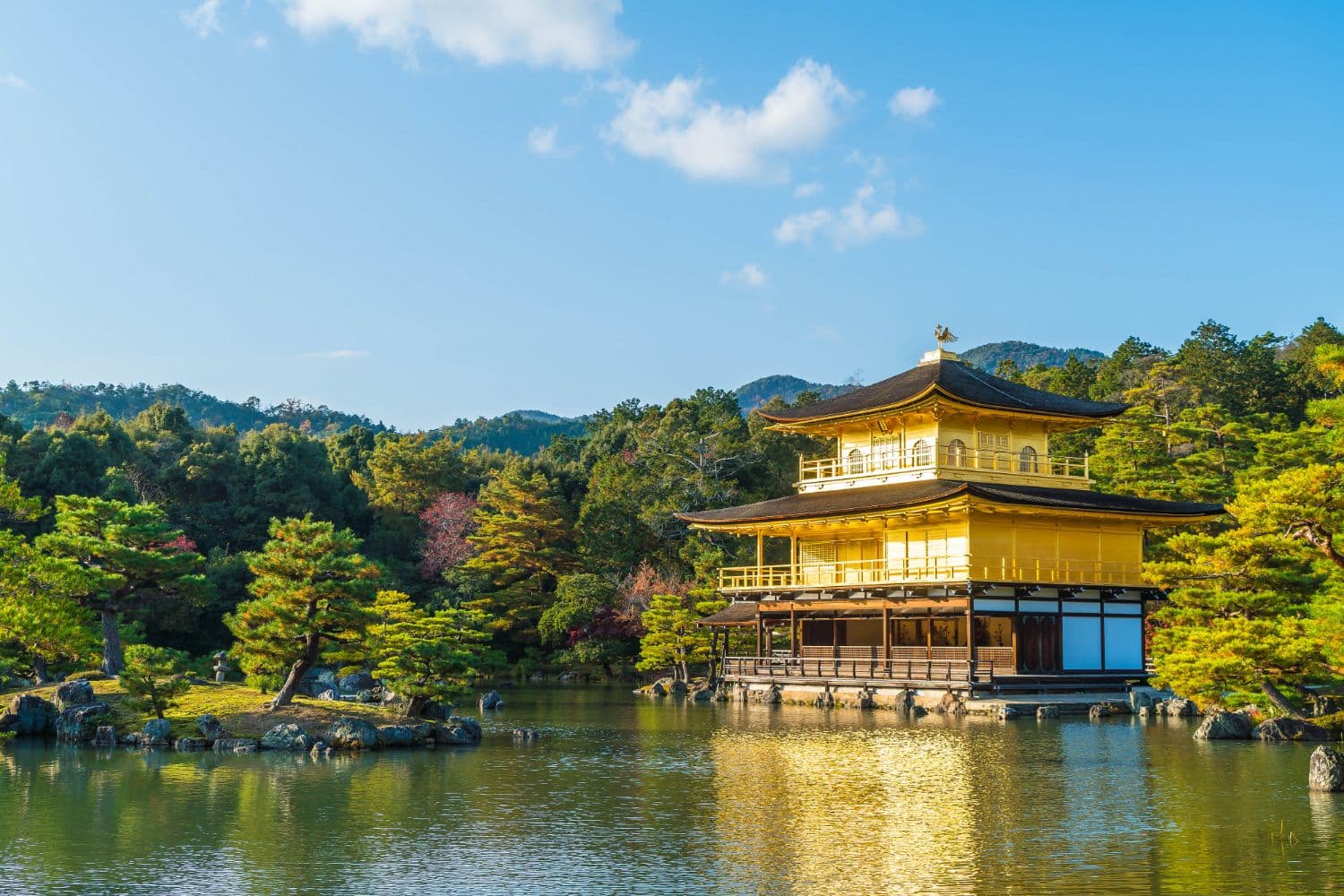
Nikko holds the Toshogu Shrine, the ornate mausoleum of Tokugawa Ieyasu, Japan's first shogun. It's Japan's most elaborately decorated shrine complex set in cedar forests north of Tokyo. Most visitors do it as a day trip from Tokyo (2 hours by train), which works well.
- Don't miss: Toshogu Shrine, Yomeimon Gate, Kegon Falls (30 minutes up the mountain by bus).
- Getting there: Tobu Nikko Line from Asakusa, Tokyo (1h 50min).
10. Takayama
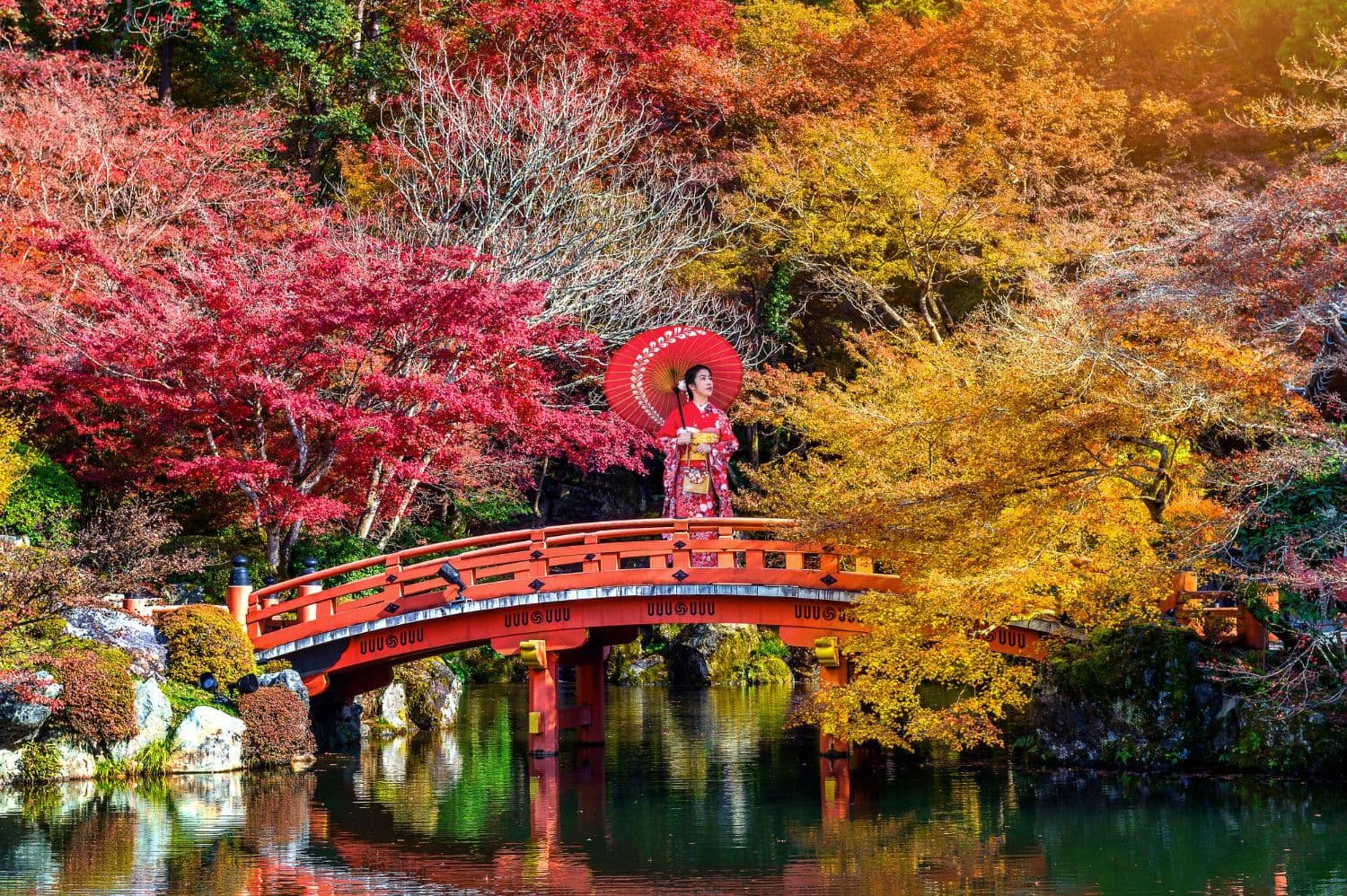
Takayama sits in the Japanese Alps at 560 meters elevation. Its old town, Sanmachi Suji, has sake breweries, traditional merchant houses, and craft shops that have operated for centuries. It looks and feels like Edo-period Japan in a way that no major city can replicate. Visitors who find Kyoto too polished tend to love Takayama.
- What travelers say: Takayama rewards slowing down. The morning markets (Jinya-mae and Miyagawa) run daily and sell local produce, crafts, and street food. The surrounding Hida Folk Village open-air museum shows traditional farmhouses relocated from across the Hida region.
- Don't miss: Sanmachi Suji, morning markets, Hida Folk Village, local sake tasting.
- Getting there: 2h 20min from Nagoya by limited express; 4 hours from Tokyo by JR.
11. Hakone
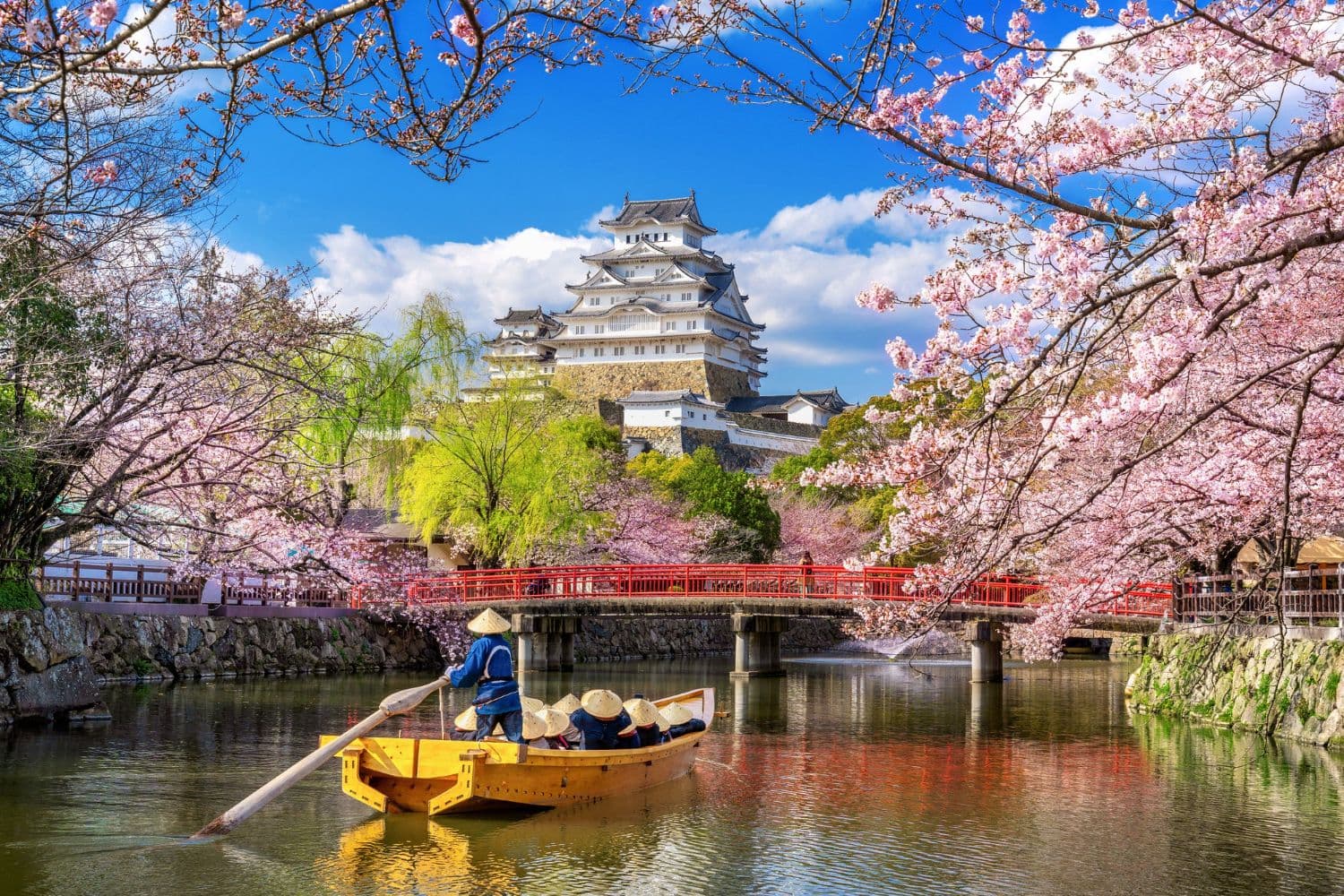
Hakone is 90 minutes from Tokyo and offers a concentrated version of Japan's natural appeal: volcanic valleys, mountain trails, open-air art, ryokan with outdoor hot spring baths, and, on clear days, unobstructed views of Mt. Fuji from Lake Ashi. The Hakone Open-Air Museum is one of the best sculpture parks in Asia.
- What travelers say: Hakone works well as a one- or two-night detour on the Tokyo-Kyoto route. Mt. Fuji is only visible roughly 30% of days due to cloud cover, so adjust expectations. The ryokan experience (traditional inn, communal hot spring baths, multi-course kaiseki dinner) is the real reason to stay overnight.
- Don't miss: Lake Ashi, Hakone Open-Air Museum, the Owakudani volcanic valley, a night in a ryokan.
- Getting there: 85 minutes from Shinjuku on the Romancecar express.
12. Mount Fuji
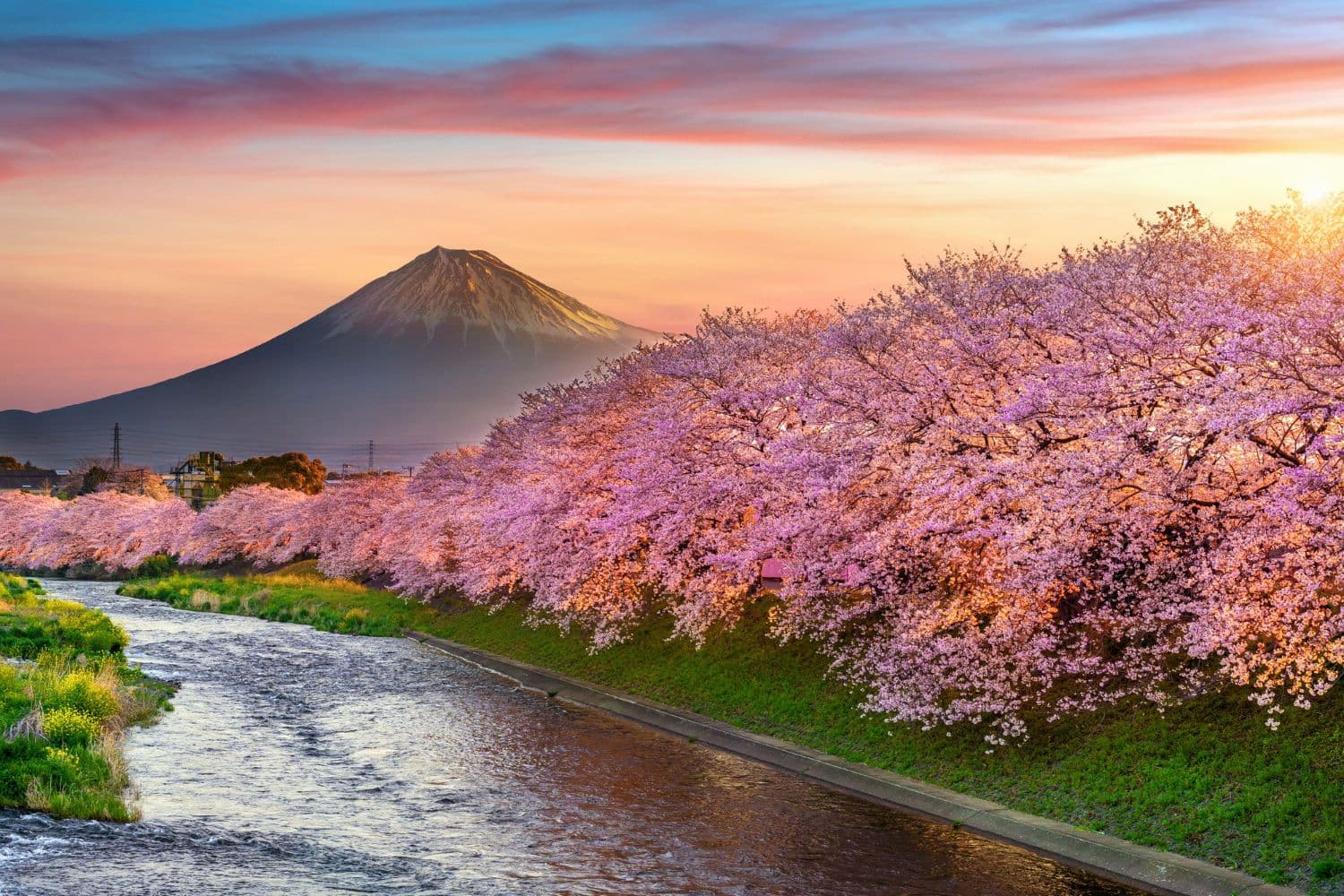
At 3,776 meters, Mt. Fuji is Japan's highest mountain and one of its most recognized symbols. The official climbing season runs from July to early September, and the mountain can be seen from a wide surrounding area, meaning you don't need to climb it to experience it. Views from Hakone, Fujikawaguchiko, and even certain spots in Tokyo on clear days can be spectacular.
From 2024, the Yoshida Trail (most popular) has a 4,000-person daily limit and a ¥4,000 entry fee. Book mountain hut stays months in advance for July and August.
13. Higashiyama
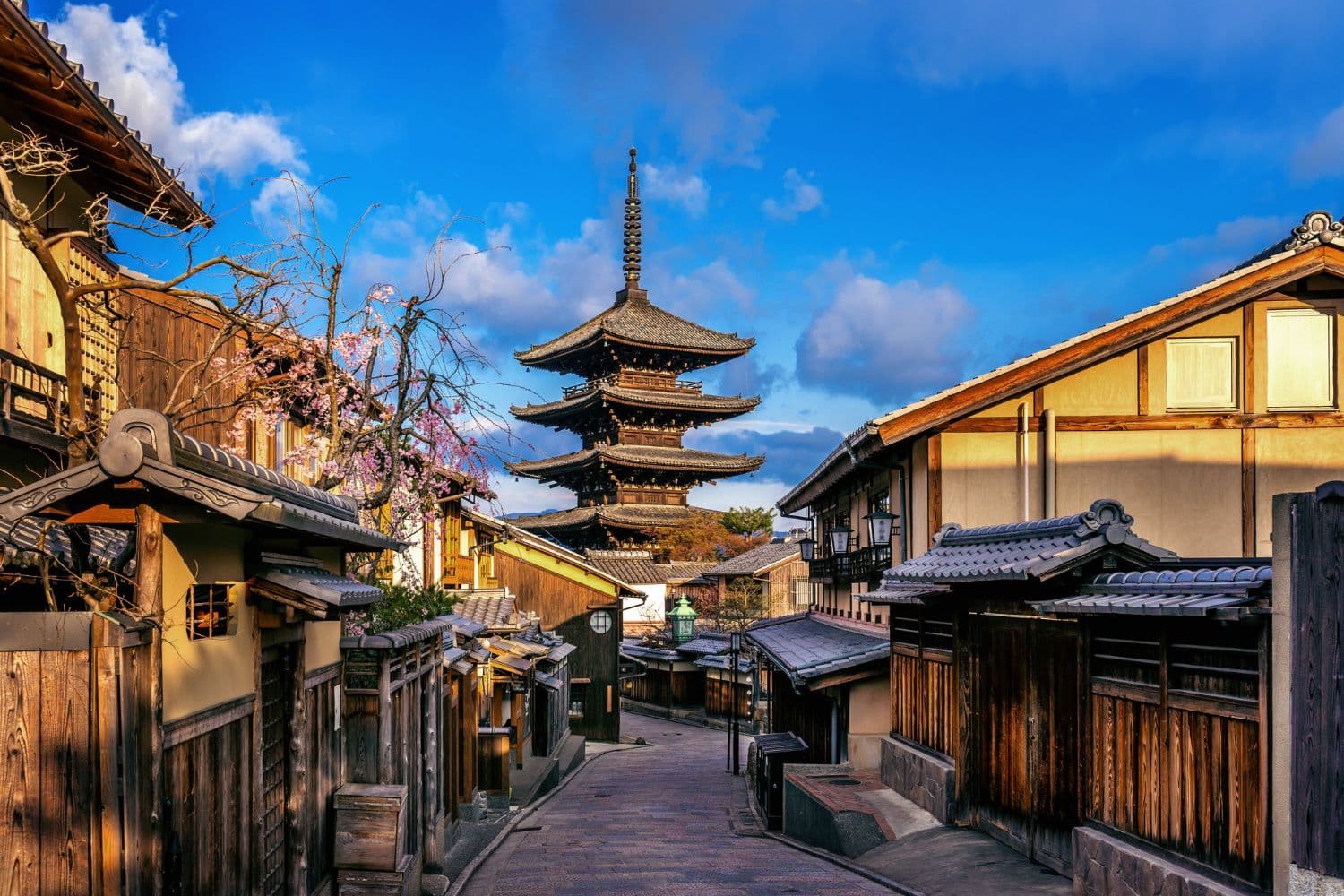
Higashiyama is the stretch of old Kyoto running from Kiyomizudera Temple down through Ninenzaka and Sannenzaka lanes to Yasaka Shrine. Stone-paved alleys, wooden machiya townhouses, small shops selling lacquerware and ceramics, it's the Kyoto from every postcard, and it's easier to navigate than it looks.
- What travelers say: Early morning (before 9am) or evening (after 6pm when most shops close) gives you the streets with a fraction of the midday crowd. Kiyomizudera itself, perched on a hillside with views over the city, is worth the entrance fee regardless of when you go.
- Don't miss: Kiyomizudera Temple, Ninenzaka and Sannenzaka lanes, Yasaka Shrine.
- Getting there: 20-minute bus from Kyoto Station or a 10-minute taxi.
14. Kanazawa
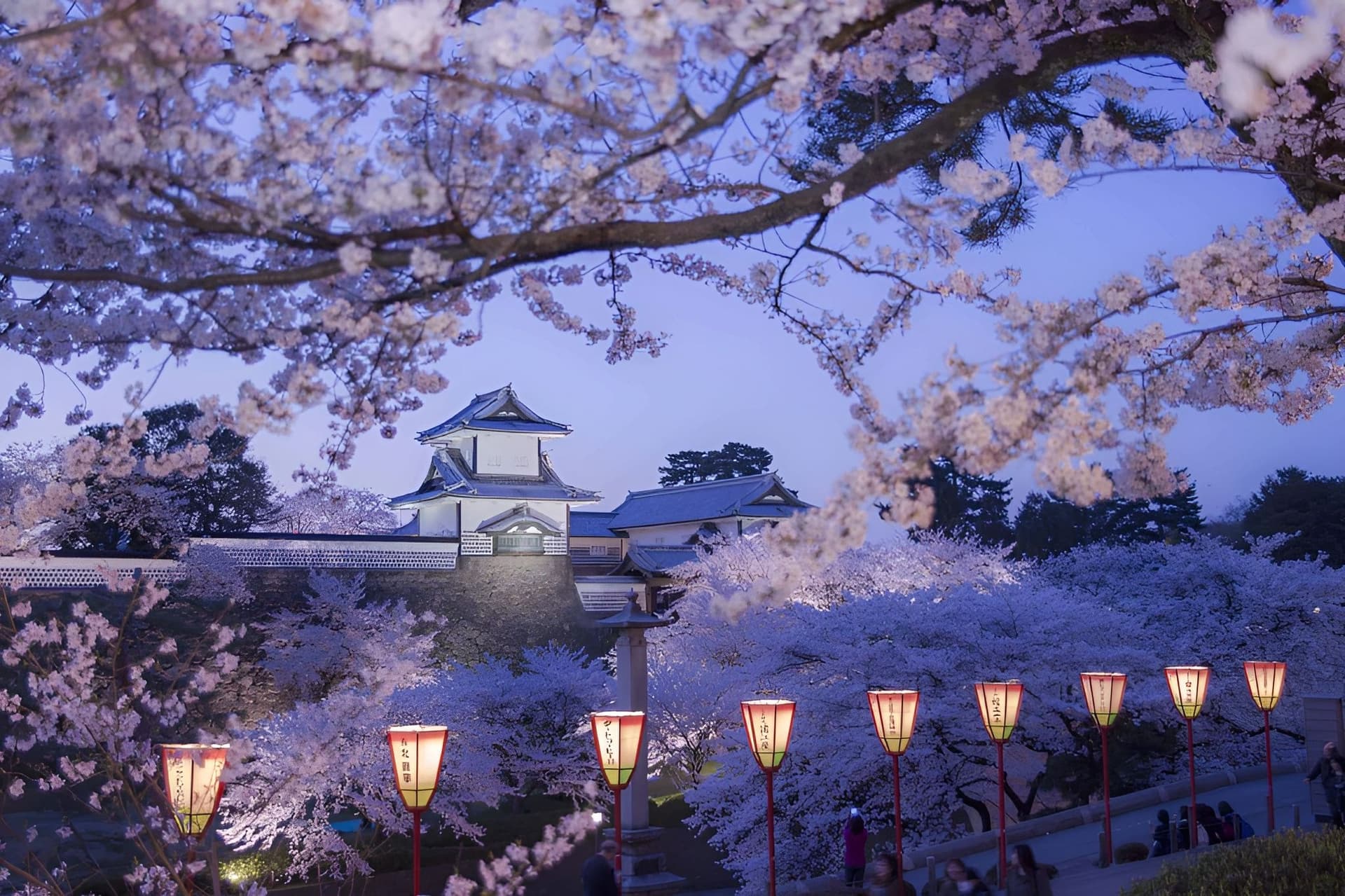
Kanazawa sits on Japan's west coast, between the Sea of Japan and the Japanese Alps, and it's consistently described by travelers who visit as one of the best cities in Japan.
- What real travelers say: A Tripadvisor reviewer who took a guided tour of the Nishi Chaya district described it as "a window into Japan's heart and heritage, genuine, never staged."
- Don't miss: Kenrokuen Garden, Nagamachi samurai district, Higashi Chaya, Omicho Market, the 21st Century Museum of Contemporary Art.
- Getting there: 2.5 hours from Tokyo by Hokuriku Shinkansen (since 2015). 2.5 hours from Kyoto or Osaka by limited express.
15. Hokkaido
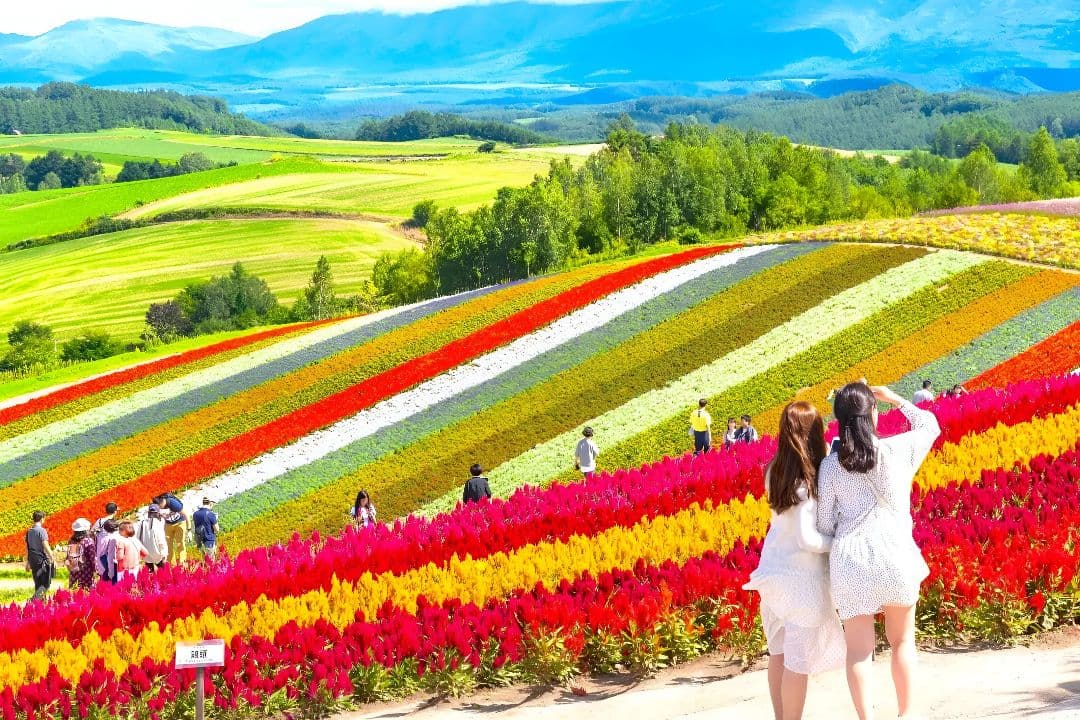
Hokkaido is Japan's second largest and northernmost island, and it operates on a different register from the rest of the country.
Hokkaido's unspoiled nature, many national parks and rural landscapes attract outdoor lovers: skiers and snowboarders in winter, hikers and cyclists from June to September.
- Don't miss: Niseko (winter), Furano lavender fields (July), Blue Pond at Biei, Sapporo Snow Festival (February), Hakodate morning market.
- Getting there: 90-minute flight from Tokyo to New Chitose Airport (Sapporo). By train, 8 hours from Tokyo, scenic but long. Flying is the practical choice for most visitors.
What are the best places to visit in Japan with a family?
Traveling to Japan with family is easier than most parents expect. The country is extraordinarily safe, public transport is reliable down to the minute, and children are welcomed everywhere. The best places to visit in Japan with family:
- Hakone works well for families wanting nature without complexity. The Hakone Open Air Museum has enough to keep kids engaged, and the views of Mt. Fuji from the lake, weather permitting, are the kind of thing children actually remember years later.
- Nara is the easiest win for families of almost any age: 30 minutes from Osaka, free to enter the park, and the deer encounters are memorable in a way that most planned attractions aren't.
🎏 Practical note for families: Japan's train system is efficient but can feel overwhelming with strollers or luggage. Renting a pocket WiFi or getting a travel eSIM for Japan before you arrive means you can navigate in real time, which makes a significant difference when traveling with kids who don't want to wait while you find a signal.
Best place to visit in Japan with kids
Kids tend to respond best to places that have visual impact and interactivity. The most kid-friendly Japan sightseeing spots:
| Location | Why kids love it | Age range |
|---|---|---|
| Tokyo DisneySea | Unique to Japan, world-class rides | 4+ |
| Universal Studios Osaka | Nintendo World, Harry Potter zone | 6+ |
| Nara deer park | Feed deer by hand | 3+ |
| teamLab Planets, Tokyo | Immersive digital art | 5+ |
| Fuji-Q Highland | Roller coasters near Mt. Fuji | 8+ |
| Osaka Aquarium Kaiyukan | One of the largest in the world | All ages |
What are the top places to visit in Japan for culture and history?
Japan has 25 UNESCO World Heritage Sites spread across both cultural and natural categories. So, if culture is your reason for going to Japan, these are the must-see places in Japan:
- Kyoto. The city has over 1,600 Buddhist temples and 400 Shinto shrines. Fushimi Inari, the thousands of torii gates winding up a mountain, is the most photographed spot in the country for good reason.
- Nara. It was Japan's first permanent capital. The Great Buddha at Todai-ji temple is massive in a way photos don't capture until you're standing in front of it.
- Nikko. It holds the Toshogu Shrine, the ornate mausoleum of Tokugawa Ieyasu. It's over-the-top in the best way, gold leaf, lacquerwork, intricate carvings, and surrounded by forested mountains.
- Hiroshima. It offers a different kind of history. The Atomic Bomb Dome, preserved as it stood after August 6, 1945, and the Peace Memorial Museum together create one of the most affecting experiences available to any traveler anywhere in the world.

What is the best place to visit in Japan for nature and scenic views?
Japan is exceptional for nature travel, and most of it sits off the standard Tokyo-Kyoto-Osaka route.
| Season | Best destination | What you will see |
| Late March – early April | Tokyo, Kyoto, Yoshino | Cherry blossom season, sakura everywhere |
| May – June | Yakushima, Hokkaido | Lush forests, uncrowded trails |
| July – August | Japanese Alps, Fuji | Hiking season, mountain wildflowers |
| October – November | Nikko, Kyoto, Arashiyama | Autumn leaves, cooler temperatures |
| January – February | Hokkaido, Nagano | Snow festivals, powder skiing |
Cherry blossom season in Japan (late March to early April) draws enormous crowds, plan and book months ahead if that's your target. The most beautiful sakura spots: Maruyama Park in Kyoto, Ueno Park in Tokyo, Hirosaki Castle in Aomori.
Miyajima Island sits in the Seto Inland Sea and is one of the most beautiful places in Japan regardless of season. The island is small enough to walk across in a day, and the deer there (yes, more deer) are somehow even tamer than in Nara. Arashiyama on Kyoto's western edge has the famous bamboo grove, the Tenryu-ji garden, and the monkey park – all within walking distance of each other.
How to choose the best place to visit in Japan?
A quick framework based on trip length and style:
- 5–7 days: Tokyo only, or Tokyo + Kyoto via Shinkansen. Don't try to do more.
- 10–14 days (two weeks in Japan): Tokyo (3–4 days) → day trip to Nikko or Hakone → Kyoto (3 days, with Arashiyama and Nara day trips) → Hiroshima/Miyajima → Osaka (2 days). This is the classic first-trip itinerary for a reason.
- Longer than two weeks: Add Takayama, Hokkaido, Kanazawa, or the Kumano Kodo trail. Japan has enough to fill a month without repetition.
- Families with young kids: Build around Tokyo and Osaka for maximum activities. Keep daily travel time under two hours.
- Culture-focused travelers: Weight toward Kyoto, Nara, Nikko, and Takayama. Skip theme parks entirely.
- Nature travelers: Dedicate time to Hakone, the Japanese Alps, and Hokkaido. Go off-peak if possible.
🇯🇵 Read also: Prepaid SIM Card in Japan: Where and How to Buy for a Tourist
Common mistakes when choosing where to go in Japan
Japan has 47 prefectures. You will not see them all in two weeks. Pretending otherwise leads to exhaustion and a trip where you're always in transit.
- Do not underestimate the distances. Tokyo to Kyoto feels close on a map. It's 513 km. The Shinkansen covers it in about 2 hours 20 minutes, which is fast, but still time. Tokyo to Hiroshima is 4+ hours on the bullet train. Factor travel days into your itinerary.
- Do not get a Japan Rail Pass in Japan. The JR Pass is significantly cheaper when purchased outside Japan. It covers Shinkansen travel between major cities and is almost always worth it for two-week itineraries. You can't buy it inside Japan at the same price.
- Do not build a too-tight itinerary. Japan rewards wandering. If every day is scheduled to the hour, you'll miss the backstreet ramen shop, the shrine you didn't know existed, and the neighborhood that ends up being your favorite part of the trip. Leave gaps.
- Do not arrive without connectivity sorted. Japan's airport SIM kiosks have lines. Pocket WiFi pick-up has its own queue. Setting up your eSIM before you board, which takes about three minutes with Yesim, means you exit the plane ready to navigate, translate, and book.
Staying connected: the one thing most Japan travel guides skip
Japan is a country where connectivity is operational. Google Maps, translation apps, restaurant booking tools, train schedules, everything works better when you're online.
Most travelers rent pocket WiFi or buy a local SIM. Both work, but both have limitations: pocket WiFi is a physical device you can lose or forget to charge; local SIMs require you to deal with a carrier you don't know, in a language you may not read, in a country you just arrived in. A better option is an eSIM, and specifically the Yesim International eSIM. Why Yesim works particularly well for Japan travel:
| Feature | Yesim | Typical local SIM | Pocket WiFi |
| Setup | Before you land, from your phone | After arrival, at airport counter | After arrival, pick-up or delivery |
| Coverage | 200+ countries on one plan | Japan only | Japan only |
| Cost | From €4.5, pay as you go | Fixed bundles, often wasteful | Daily rental fee adds up |
| Multi-country trips | One eSIM handles everything | New SIM per country | New rental per country |
| Virtual number | Available | No | No |
| Spare eSIM slot needed | Yes | Yes | No (separate device) |
If your trip extends beyond Japan to South Korea, Taiwan or Thailand, the best eSIM for Japan means you don't swap anything. Top up once and keep going.
Time to travel to Japan
Japan is worth the effort. The food is extraordinary at every price point. The cities are safe, and genuinely unlike anywhere else. Even first-timers with no Japanese and no prior experience in Asia tend to leave wanting to come back.
The practical things like itinerary, Japan Rail Pass, accommodation will be sorted. The one thing that catches people off guard is connectivity. Sort that before you board. Install your Yesim eSIM from home, have Japan data active the moment you land, and spend your first hours navigating Shinjuku instead of queuing at an airport SIM kiosk. Japan will do the rest!
Share
Share
FAQ
How many days do I need in Japan as a first-timer?
Ten to fourteen days is the sweet spot for a first trip to Japan. It gives you enough time for Tokyo (3–4 days), Kyoto (3 days), a day trip to Nara or Hiroshima, and Osaka (2 days), without feeling like you're constantly packing and unpacking. A week is possible but rushed. Longer than two weeks opens up the Japanese Alps, Hokkaido, or southern Japan.
Is the Japan Rail Pass worth buying?
For most two-week itineraries covering Tokyo, Kyoto, Osaka, and Hiroshima, yes the JR Pass pays for itself. For shorter trips or travelers staying mostly in one city, it's often not worth the upfront cost. Calculate your expected Shinkansen trips before buying. Buy it before you leave for Japan; the domestic price is higher.
When is the best time to visit Japan?
Spring (late March to early April) for cherry blossoms, and autumn (October to November) for foliage are the most popular. Both are beautiful and crowded. May and early June offer good weather with smaller crowds. Summer is hot and humid. Winter is cold but calm, with ski season in Hokkaido and Nagano.
Can I use my regular phone plan in Japan?
Most international roaming plans work in Japan but are expensive, often €10–20/day for limited data. A travel eSIM is cheaper and more flexible. Yesim's international plan starts at €4.5 and covers Japan alongside 200+ other countries, so if you're doing any regional travel, one eSIM handles the whole trip without swapping.
Is Japan easy to navigate without speaking Japanese?
Easier than you'd expect. Major train stations have English signage. Google Maps works reliably everywhere you have data. Translation apps handle menus and signs in real time. The main challenge is offline navigation, which is why staying connected matters. With a reliable eSIM active, most travelers find Japan straightforward to navigate independently within a day or two of arrival.
Recommended eSIMs

Pay & Fly
Unlimited data. Pay as you go
Asia Pacific eSIM
15 countries
South East Asia eSIM
8 countries

South Korea eSIM
from $2.20 / day
Japan eSIM
from $2.80 / day

China eSIM
from $2.24 / day

Hong Kong eSIM
from $1.96 / day
Macau eSIM
from $3.56 / day

Malaysia eSIM
from $1.72 / day

Indonesia eSIM
from $1.88 / day

Vietnam eSIM
from $2 / day

Philippines eSIM
from $1.68 / day

Thailand eSIM
from $1.52 / day